What Causes Sewer Line Backups in Residential Homes
A sewer line backup is one of the most unpleasant plumbing problems a homeowner can face. Raw sewage coming up through a floor drain or bathtub is not just a mess. It is a health hazard and a sign that something is seriously wrong underground.
If you live in Des Plaines or the surrounding Chicago suburbs, there are specific conditions that make sewer backups more common here than in other parts of the country. Understanding the causes helps you catch problems early and avoid a much bigger repair bill.
How a Residential Sewer Line Works
Every drain in your home connects to a single main sewer line that runs underground from your foundation to the municipal sewer system in the street. Wastewater flows by gravity through this pipe and out to the city's main.
When that line gets blocked, damaged, or overwhelmed, wastewater has nowhere to go. It backs up into the lowest fixtures in your home, typically floor drains, basement toilets, and bathtubs.
The Most Common Causes of Sewer Line Backups
Most backups come down to one of a handful of root causes. Here is what is most likely happening beneath your yard.
Tree root intrusion: This is the leading cause of sewer line backups in older Des Plaines neighborhoods. Mature trees send roots toward moisture, and the joints in aging clay or cast-iron sewer pipes are a reliable water source. Roots work their way inside, grow over time, and eventually block the pipe entirely.
Grease and debris buildup: Cooking grease, soap residue, and food particles accumulate along the inside walls of sewer pipes over the years of use. The buildup narrows the pipe gradually until flow slows to a trickle or stops.
Flushing non-flushable items: Wipes labeled as flushable, paper towels, feminine hygiene products, and similar items do not break down in the sewer line the way toilet paper does. They snag on rough pipe walls, catch other debris, and create blockages deep in the line.
Collapsed or deteriorated pipes: Many homes in Des Plaines were built in the 1950s through 1970s with clay or cast iron sewer lines. These materials have a lifespan, and after decades underground, they crack, collapse, or develop low spots called bellies where waste collects instead of flowing through.
Municipal sewer system overload: During heavy rainfall events, which are common in the Chicago area, the city sewer system can become overwhelmed. When the public main cannot handle the volume, water flows backward into private sewer lines and up into homes. This is called a combined sewer overflow event.
- Illinois averages over 35 inches of rain annually, with intense spring and summer storms that frequently stress local sewer infrastructure
- Snowmelt in late winter adds a second surge of water volume that can trigger backups even without heavy rain
- Homes in low-lying areas of Des Plaines are especially vulnerable during these events
Warning Signs You Should Not Ignore
Sewer line problems rarely appear without warning. These signs often show up weeks or months before a full backup occurs.
- Multiple drains in the home are slow at the same time
- Gurgling sounds from toilets or floor drains when you run water elsewhere in the house
- Sewage odors coming from drains, especially in the basement
- Water backing up into the tub or shower when you flush the toilet
- Wet or unusually green patches of grass above the sewer line in the yard
- A basement floor drain that bubbles or releases water during laundry cycles
If you notice any of these signs, do not wait to see if they go away. They almost never do on their own.
The Risks of Ignoring a Sewer Backup
A slow drain is an inconvenience. A full sewer backup is a serious problem that gets more expensive the longer it sits.
- Raw sewage contains bacteria and pathogens that create genuine health risks for your household
- Water and sewage damage to finished basements can cost thousands of dollars to remediate
- Mold begins developing within 24 to 48 hours in a wet environment
- A collapsed pipe that goes unaddressed can cause soil subsidence and damage to your foundation over time
Homeowners' insurance often does not cover sewer backup damage unless you have added a specific sewer backup rider to your policy. Checking your coverage now is worth the five-minute phone call.
What You Can Do to Reduce Your Risk
You cannot control the municipal sewer system or the age of your pipes, but you can take steps to reduce the likelihood of a backup in your home.
- Never pour grease or cooking oil down any drain. Let it cool and dispose of it in the trash
- Only flush toilet paper. Everything else, including wipes, goes in the trash
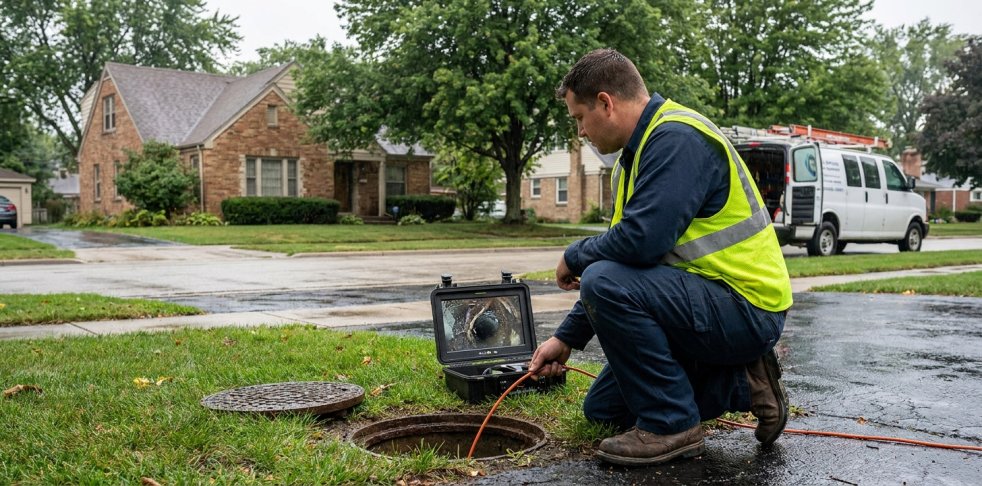
- Have your sewer line inspected with a camera every few years, especially if your home is more than 30 years old
- Consider installing a backwater prevention valve if your basement is prone to flooding during heavy rain events
- Schedule a routine sewer cleaning before problems develop, rather than after
When to Call a Plumber
If you are seeing multiple slow drains, hearing gurgling, or smelling sewage, call a plumber before the situation escalates to a full backup. A camera inspection will show exactly what is happening inside the pipe and let a professional recommend the right solution, whether that is a hydro jet cleaning, a spot repair, or a full line replacement.
Master Pro Plumber serves homeowners throughout Des Plaines and the surrounding northwest suburbs. Our team has the equipment and experience to diagnose sewer line problems accurately and fix them the right way the first time.
Call (847) 641-2542 to schedule a sewer inspection or get help with an active backup. The sooner you know what you are dealing with, the more options you have.