

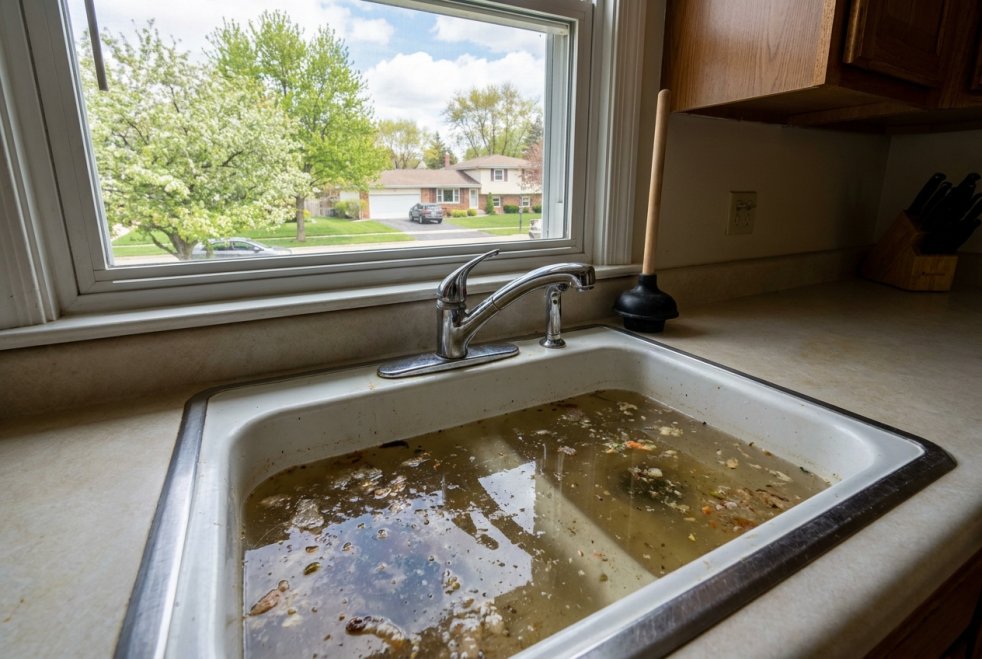
What Causes Frequent Drain Clogs in Des Plaines Homes
A drain that clogs once is an inconvenience. A drain that clogs repeatedly is a sign that something deeper is going on. For homeowners and businesses in Des Plaines, frequent drain problems are often connected to a combination of aging infrastructure, cold winters, and everyday habits that slowly build up into serious blockages.
Here is a breakdown of what actually causes recurring drain clogs, the warning signs to watch for, and when it is time to call a professional.
The Most Common Causes of Repeat Drain Clogs
Most frequent clogs do not happen by accident. They trace back to specific habits, materials, or pipe conditions that make blockages almost inevitable over time.
- Grease, oil, and food scraps that coat the inside of kitchen drain lines and harden as they cool
- Hair and soap scum combine in bathroom drains to form dense, sticky blockages
- Flushing wipes, cotton products, or paper towels that do not break down in sewer lines
- Mineral buildup from hard water is narrowing pipe walls and slowing flow
- Tree root intrusion into older clay or cast-iron sewer lines is common in established Des Plaines neighborhoods
- Aging pipes with corrosion, scale, or joint gaps that catch debris and create recurring clogs
If the same drain keeps backing up after you clear it, one of these root causes is almost certainly involved.
Why Des Plaines Homes Face Specific Drain Challenges
Des Plaines has a significant number of homes built in the mid-20th century, many of which still have original cast iron or clay tile drain lines. These materials develop rough interior surfaces over time, making it easier for grease, scale, and debris to catch and accumulate.
Hard water is another local factor. The Chicago metro area, including Des Plaines, has moderately hard water. Over years of use, mineral deposits build up inside pipes and reduce their effective diameter, which means even normal amounts of debris can cause a clog.
Winter also plays a role. Cold temperatures can cause grease to solidify faster inside drain lines, and ground movement from freeze-thaw cycles can shift older pipes and create low spots where debris collects.
Warning Signs Your Drains Have a Bigger Problem
Slow or clogged drains are not always isolated issues. Watch for these signs that point to something more serious than a surface-level blockage.
- Multiple drains backing up at the same time, which often signals a main sewer line problem
- Gurgling sounds from drains or toilets after water runs elsewhere in the house
- Sewage odors coming from floor drains, toilets, or sink drains
- Water backs up into a tub or floor drain when you flush a toilet
- Recurring clogs in the same drain within days or weeks of clearing it
- Wet spots or soft ground near your foundation or in the yard above the sewer line
Any of these signs means the problem has likely moved past the fixture drain and into the main line. That requires professional diagnosis, not a bottle of drain cleaner.
The Risks of Ignoring Frequent Clogs
Recurring drain clogs are easy to dismiss, especially if a plunger temporarily solves the problem. But leaving the underlying cause unaddressed carries real risks.
- Sewage backups into living spaces create serious health hazards and expensive cleanup
- Persistent moisture from slow drains promotes mold growth inside walls and under flooring
- Pressure buildup from blockages can stress pipe joints and cause leaks
- Tree root intrusion that goes untreated can eventually collapse a sewer line entirely
What starts as a slow kitchen drain can become a full sewer backup if the cause is never properly addressed. Early action is almost always less expensive than emergency repairs.
What You Can Do to Reduce Drain Clogs
Some simple changes in daily habits go a long way toward keeping drains clear between professional cleanings.
- Pour cooled grease into a container and throw it in the trash, never down the drain
- Use a hair catcher in every shower and tub drain, and clean it weekly
- Run hot water through kitchen drains after washing dishes to flush residue further down the line
- Avoid flushing anything other than toilet paper, regardless of what the packaging claims
- Schedule a professional drain cleaning once a year, especially for older homes
These steps will not fix a damaged or partially collapsed pipe, but they significantly reduce the buildup that turns minor slowdowns into full clogs.
When to Call a Plumber for Drain Problems
Store-bought drain cleaners can dissolve minor organic clogs, but they do nothing for mineral buildup, root intrusion, or structural pipe problems. They can also damage older pipes with repeated use.
Call a licensed plumber when you notice any of these situations.
- A drain clogs again within a week or two of being cleared
- More than one drain is slow or backing up at the same time
- You notice sewage odors anywhere in the home
- A drain has never flowed properly despite repeated attempts to clear it
- Your home is more than 30 years old and has never had a professional drain inspection
A professional can use camera inspection and hydro jetting to identify and clear the actual cause rather than just pushing the clog further down the line.
Get Help From Master Pro Plumber
Master Pro Plumber serves homeowners and businesses throughout Des Plaines and the surrounding communities. Whether you are dealing with a stubborn kitchen clog, a slow bathroom drain, or signs of a main sewer line problem, our team can diagnose the issue and clear it properly the first time.
Do not keep dealing with the same drain problem over and over. Call (847) 641-2542 to schedule a drain inspection or cleaning and find out what is really causing the backup.