

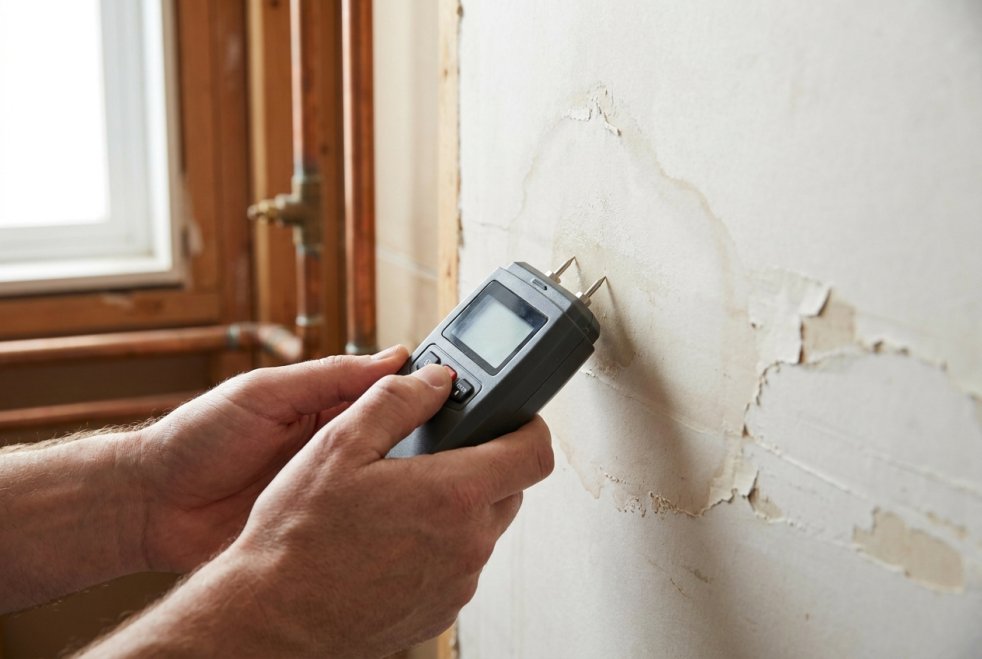
How to Identify Hidden Water Leaks in Your Home
Hidden water leaks are one of the most damaging problems a homeowner can face. Unlike a burst pipe that demands immediate attention, a slow leak inside a wall, under a slab, or behind a fixture can go unnoticed for months while quietly rotting wood, feeding mold, and driving up your water bill.
In Des Plaines and the surrounding Chicago suburbs, cold winters and aging housing stock make hidden leaks especially common. Here is how to find them before they become a serious problem.
Why Hidden Leaks Are So Common in Des Plaines Homes
Many homes in the Des Plaines area were built in the mid-20th century, and the original plumbing has had decades to corrode, shift, and wear down. Galvanized steel and older copper pipes are especially prone to pinhole leaks as they age.
The freeze-thaw cycle here adds another layer of risk. Water that gets into small pipe vulnerabilities during winter can expand, crack fittings, and create leaks that only show symptoms weeks later when temperatures moderate.
- Older galvanized or copper supply lines with corrosion buildup
- Pipe joints and fittings that have shifted due to ground movement or temperature changes
- Supply lines behind appliances like refrigerators, dishwashers, and washing machines
- Toilet tank components that fail silently without visible overflow
- Slab leaks in homes built on concrete foundations
Warning Signs You Have a Hidden Water Leak
Your home will usually give you clues before a hidden leak becomes obvious. The key is knowing what to look for and taking those signals seriously.
An unexplained spike in your water bill is one of the most reliable early indicators. If your usage has not changed but your bill has climbed noticeably, water is going somewhere it should not.
Other warning signs to watch for include:
- Damp or discolored patches on walls, ceilings, or floors with no clear cause
- Peeling paint or wallpaper that is not related to age or humidity
- A musty or earthy smell in rooms that should be dry
- Warped or buckling hardwood floors or baseboards
- The sound of running water when all fixtures are turned off
- Mold or mildew growth in areas away from bathrooms or kitchens
- Low water pressure that has developed gradually over time
How to Test for a Hidden Leak Yourself
Before calling a plumber, you can do a simple test to confirm whether a leak is present somewhere in your home.
Start by turning off every water fixture in the house, including the ice maker and any irrigation systems. Locate your water meter, usually near the street or at the front of the property, and check whether the dial or digital display is still moving. If it is, water is flowing somewhere inside your home even though everything is off.
To narrow it down further:
- Check your toilet by placing a few drops of food coloring in the tank. If color appears in the bowl within 15 minutes without flushing, the flapper is leaking.
- Inspect under every sink cabinet for moisture, soft flooring material, or visible corrosion on the supply lines.
- Pull your appliances out slightly and check the floor and wall behind them for water stains or dampness.
- Look at your water heater and the area around it for pooling water or rust streaks on the tank.
Leaks That Require Professional Detection
Some leaks are impossible to locate without professional tools. Slab leaks, for example, occur in pipes running beneath the concrete foundation of your home. They are common in older Des Plaines properties and can cause significant structural damage before any surface signs appear.
Signs that point specifically to a slab leak include warm spots on the floor, a constant hissing or rushing sound beneath the floor, and cracks forming in the foundation or interior walls. These are not DIY situations.
Leaks inside walls are similarly difficult to pinpoint without leak detection equipment. A plumber can use acoustic listening devices, thermal imaging, or a camera inspection to find the source without unnecessary demolition.
The Real Cost of Ignoring a Hidden Leak
A slow drip of just one gallon per hour adds up to more than 700 gallons wasted every month. That is money leaving your pocket on every utility bill, and it does not account for the structural damage accumulating behind your walls.
Mold can begin growing on wet building materials within 24 to 48 hours. In Illinois, where homes stay sealed tight through long winters, a hidden moisture source can spread mold through wall cavities before you ever notice a smell. Remediation costs often far exceed what the original plumbing repair would have run.
What to Do When You Suspect a Hidden Leak
If your meter test shows movement or you are seeing any of the warning signs above, the right move is to act quickly rather than wait and see. Shut off the water to the affected area if you can identify it, document any visible damage with photos, and contact a licensed plumber for a proper diagnosis.
Master Pro Plumber uses professional leak detection equipment to locate hidden leaks accurately and minimize disruption to your home. We serve Des Plaines and the surrounding communities with honest assessments and reliable repairs.
Call (847) 641-2542 to schedule a leak inspection. Catching a hidden leak early is almost always less expensive than dealing with the damage it leaves behind.