Common Plumbing Issues Found During Spring Home Inspections in Des Plaines
Spring in Des Plaines means thawing ground, heavy rain, and the kind of temperature swings that put real stress on your home's plumbing. After months of freezing temperatures, a spring inspection often reveals problems that developed quietly over winter and are now ready to cause serious damage.
Whether you are buying a home, selling one, or just being a responsible homeowner, knowing what inspectors commonly find can help you get ahead of costly repairs.
Frozen Pipe Damage That Went Unnoticed All Winter
Des Plaines winters are harsh. Temperatures regularly drop well below freezing from December through February, and pipes in exterior walls, crawl spaces, and unheated garages are especially vulnerable. A pipe that froze and cracked may not show obvious signs until the ground thaws and water pressure returns.
Warning signs to look for include:
- Unexplained drops in water pressure at specific fixtures
- Water stains on ceilings or walls that appeared in late winter
- Damp insulation in crawl spaces or along exterior walls
- A spike in your water bill without a clear cause
If a pipe cracked during a freeze and is now leaking slowly, the damage to surrounding materials can be significant by the time it is discovered. Early detection matters.
Sump Pump Failures and Basement Flooding Risk
Spring rain and snowmelt put heavy demand on sump pumps throughout the Chicago suburbs. A pump that sat idle all winter may fail right when it is needed most. Inspectors frequently find sump pumps that are clogged, burned out, or missing a functional backup system.
Signs your sump pump may not be ready for spring:
- The pump runs, but the water levels in the pit are not dropping
- The motor hums, but the pump does not activate
- There is standing water in the pit even during dry weather
- The discharge line is blocked or frozen at the outlet
Testing your sump pump before the rainy season hits is one of the most practical things a Des Plaines homeowner can do every spring.
Outdoor Hose Bibs and Irrigation Lines
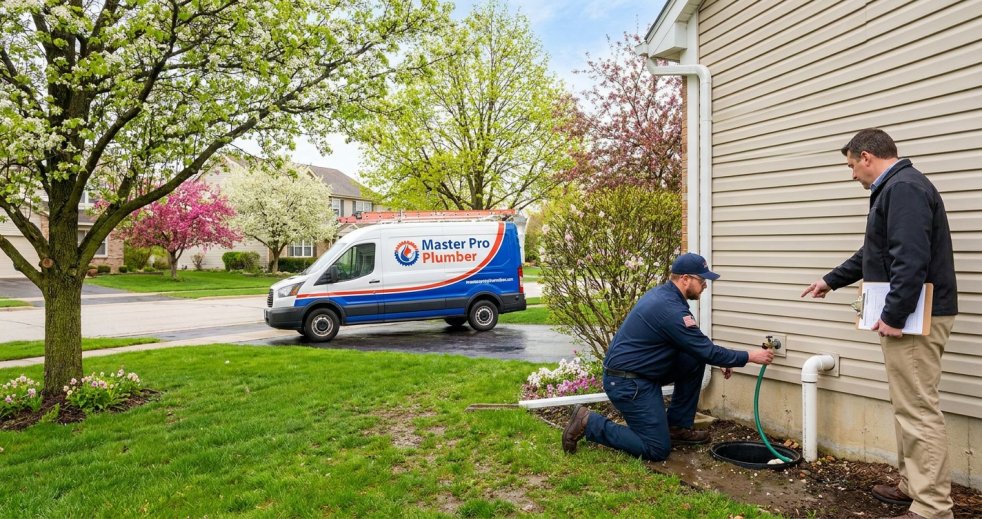
Exterior hose bibs that were not properly winterized are a common source of leaks found during spring inspections. Even frost-free bibs can fail if a hose is left attached during a hard freeze, trapping water inside the valve.
Irrigation systems are another common problem area. Cracked heads, broken supply lines, and damaged backflow preventers often go unnoticed until the system is turned on for the first time in spring.
Before running your irrigation system this season, have the backflow preventer inspected. In Illinois, backflow prevention devices on irrigation systems are required by code and should be tested annually.
Water Heater Problems Surfacing After a Hard Winter
Water heaters work overtime during cold months. Spring inspections regularly turn up sediment buildup, corroded anode rods, and pressure relief valves that are not functioning correctly. These issues shorten the lifespan of the unit and can create safety risks.
Watch for these signs that your water heater needs attention:
- Rumbling or popping sounds during heating cycles
- Rusty or discolored hot water at the tap
- Water is pooling around the base of the unit
- Hot water that runs out faster than it used to
A water heater flush and inspection each spring can extend the life of the unit and improve efficiency heading into the warmer months.
Drain and Sewer Line Issues
The freeze-thaw cycle in the Des Plaines area causes soil to shift, which puts stress on underground sewer lines. Older homes with clay or cast iron sewer pipes are especially vulnerable to joint separation, cracking, and root intrusion from trees that have been pushing through the soil all winter.
Common sewer line symptoms found during spring inspections include:
- Slow drains in multiple fixtures throughout the home
- Gurgling sounds from toilets when other drains are used
- Sewage odors in the yard or near floor drains
- Soft, wet patches in the lawn above the sewer line path
A camera inspection is the only reliable way to know what is happening inside the line. Catching a root intrusion or a cracked pipe early is far less expensive than dealing with a full sewer backup.
Corroded or Aging Supply Lines Under Sinks
Flexible supply lines under sinks and behind toilets have a limited lifespan. Inspectors frequently find braided lines that are bulging, corroded at the fittings, or already weeping moisture. These are inexpensive to replace but can cause significant water damage if they fail unexpectedly.
While you are checking supply lines, look at the shut-off valves as well. Valves that have not been turned in years often seize up and fail to close properly in an emergency.
What to Do Before Your Spring Inspection
You do not need to wait for a formal inspection to catch these problems. A quick walkthrough of your home can reveal a lot.
- Test your sump pump by pouring water into the pit and confirming it activates
- Turn on each hose bib and check for leaks at the wall connection
- Look under every sink for moisture, staining, or soft cabinet floors
- Check the area around your water heater for any signs of dripping or rust
- Flush each toilet and listen for slow refilling or running water after the cycle
If anything looks off, it is worth getting a professional opinion before a small issue turns into an emergency repair.
Schedule a Spring Plumbing Inspection in Des Plaines
Master Pro Plumber works with homeowners and businesses throughout Des Plaines and the surrounding northwest suburbs. We understand the specific conditions that Illinois winters create, and we provide honest assessments without pushing repairs that are not needed.
Call (847) 641-2542 to schedule a spring plumbing inspection or to get a quote on any issues you have already spotted. Catching a problem now is always less expensive than dealing with it after it gets worse.